

Dance demonstrations are a beloved tradition within the ballroom community, offering a way for dancers to showcase choreography, technique, and style in front of an audience. Whether performed at a club dance, a community event, or a themed social gathering, demonstrations bring an extra layer of entertainment and inspiration to the ballroom dance world. Why […]
Read More
Few evenings capture the classic elegance of ballroom dancing quite like a black tie dance. Combining formal attire with an evening of waltzes, foxtrots, and other ballroom rhythms, these events give dancers a chance to experience the more glamorous, polished side of social dancing. The Appeal of Black Tie Dancing Black tie dances stand apart […]
Read More

Black tie ballroom dances bring together elegant attire, live or curated music, and a full evening of formal social dancing. These events are highlights on many dance clubs’ calendars, offering members and guests a chance to dress up and enjoy an especially polished night of ballroom dancing. What Makes a Dance Black Tie Black tie […]
Read More

One of the most common questions from people interested in ballroom dancing is whether they need a partner to get started. The good news is that most beginners start without one, and finding a dance partner, whether for casual social dancing or more serious competitive training, is more achievable than many people expect. Do You […]
Read More
Across the country, amateur ballroom dance organizations play a major role in keeping social dancing alive at the community level. Groups like USABDA (United States Amateur Ballroom Dancers Association) chapters exist to support hobbyist and amateur dancers through regular social dances, workshops, and a shared love of ballroom dancing, separate from the competitive dance sport […]
Read More

For many dancers, taking lessons is only half of the equation, the other half is finding regular opportunities to actually dance. Social ballroom dance clubs fill that gap, offering community-based gatherings where dancers of all levels come together to practice, socialize, and enjoy an evening of music and movement. What Social Dance Clubs Offer Social […]
Read More
Dinner dances hold a special place in the ballroom dance community, combining a formal meal with an evening of live or recorded music and social dancing. Popular with dance clubs, social organizations, and community groups, these events offer a relaxed but elegant setting where dancers of all levels can enjoy a night out on the […]
Read More
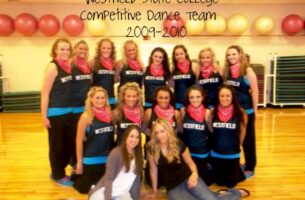
Many colleges and universities offer ballroom dance as part of their physical education or fine arts curriculum, and for good reason. A ballroom dance course gives students an active, social, and low-cost way to fulfill a credit requirement while learning a skill they can use for the rest of their lives, whether at weddings, social […]
Read More
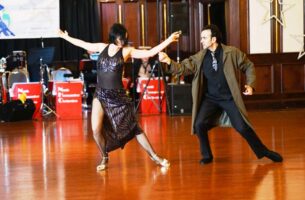
Argentine Tango is often described as a conversation between two dancers, expressed entirely through movement, connection, and musicality. Unlike its ballroom cousin, International Tango, Argentine Tango is an improvised social dance built on a close embrace, walking patterns, and deep listening to the music, making it one of the most emotionally expressive partner dances in […]
Read More
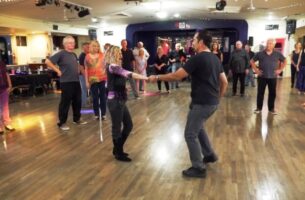
West Coast Swing is one of the most dynamic and adaptable partner dances in the ballroom and social dance world. Known for its smooth, elastic connection and its signature slot pattern, it has grown from its West Coast roots into a dance enjoyed at social clubs, competitions, and dance studios across the country. What Makes […]
Read More

Walking into your first ballroom dance class can feel intimidating, but group lessons remain one of the most popular and effective ways for beginners to learn to dance. Unlike private instruction, group classes offer a social, low-pressure environment where you can pick up the basics of foxtrot, waltz, swing, and salsa alongside other students who […]
Read More
For many people, group lessons are the natural starting point for learning ballroom dance. More affordable than private instruction and inherently social, group classes offer a welcoming environment where beginners can learn fundamentals alongside other people at a similar stage in their dance journey. Why Group Lessons Are a Great Starting Point Group ballroom dance […]
Read More
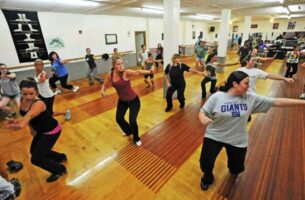
Taking lessons is only part of the journey to becoming a confident ballroom dancer. The other essential ingredient is practice — and that’s exactly what a practice dance session, often called a practica, is designed for. Unlike a formal social dance or a private lesson, a practice session gives dancers dedicated time and space to […]
Read More
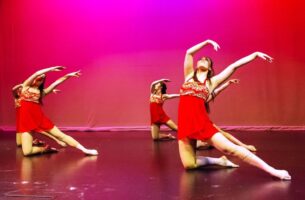
Ballroom dancing has always been more than a personal hobby — it’s also a powerful way to bring communities together for a good cause. Benefit dances, where ticket sales or donations support a charity, nonprofit, or local cause, are a longstanding tradition that combines the joy of social dancing with meaningful fundraising. What Is a […]
Read More

Not all social dancing happens to a Latin beat or a big band orchestra. Country western dancing — two-step, line dancing, and country swing — has its own devoted following, offering a fun, high-energy alternative for dancers who love live or recorded country music. For many ballroom dancers, country dancing is a natural extension of […]
Read More

Few social dance traditions carry the elegance of the tea dance. Combining afternoon tea with live or recorded ballroom music, tea dances offer a refined, unhurried alternative to evening dance events — a chance to enjoy waltz, foxtrot, and other classic ballroom styles in a genteel daytime setting. A Brief History of the Tea Dance […]
Read More
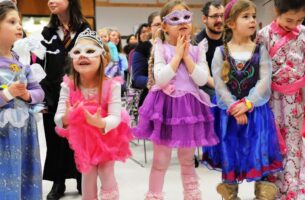
Long before dedicated dance studios became common, community centers were where many people first learned to ballroom dance. Jewish Community Centers (JCCs) and other community organizations across the country have hosted social dances for generations, offering an accessible, welcoming space for people of all ages and backgrounds to enjoy music and movement together. Why Community […]
Read More
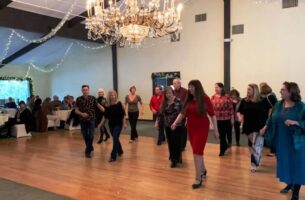
There’s a timeless elegance to dancing in a country club ballroom. With their polished floors, classic architecture, and refined atmosphere, country clubs have long served as a favorite setting for social ballroom dances, weddings, and community celebrations. For dancers, an evening at a country club dance combines the joy of movement with a touch of […]
Read More
Not every ballroom dance has to happen after dark. Sunday afternoon dances offer a gentler, more relaxed alternative to Friday and Saturday night socials — a chance to enjoy music and movement in daylight, often followed by an early dinner or a quiet evening at home. For many dancers, especially those who prefer not to […]
Read More

While weekly lesson-and-dance nights are common in many communities, another popular format is the monthly ballroom dance social, often scheduled for a recurring date such as the second Sunday of every month. These less frequent gatherings tend to draw a wider mix of dancers and often have a more special-occasion feel than a routine weekly […]
Read More

Alongside weekly classes and competitions, ballroom dance has a long tradition of showing up in the form of charity benefit dances, community fundraisers where ticket sales, raffles, or sponsorships support a school, nonprofit, or cause. These events combine the social pleasure of a formal dance with a philanthropic purpose, and they remain a popular fundraising […]
Read More
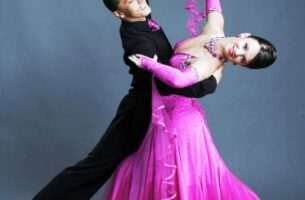
Watch a well-danced waltz or foxtrot and it is easy to see why ballroom dance is so often described as elegant. But elegance in ballroom dance is not just a matter of nice clothes or a grand ballroom setting. It comes from specific technical qualities that dancers train for years to develop: posture, frame, timing, […]
Read More
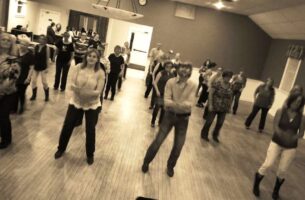
Sunday has long held a special place in the social dance world. Long before ballroom dance became a competitive sport with televised finals, Sunday afternoon tea dances and evening socials were a common way for communities to gather, dressed up a little, to enjoy live or recorded music and a few hours of dancing together. […]
Read More
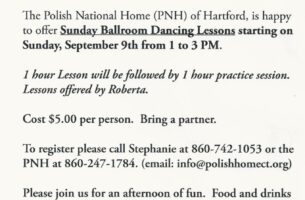
One of the most common and effective ways communities keep ballroom dance alive is the weekly lesson-and-dance format: a short group class followed by an open social dance, usually held in a rented hall, community center, or cultural venue on the same evening each week. If you have seen a flyer for a recurring Wednesday […]
Read More
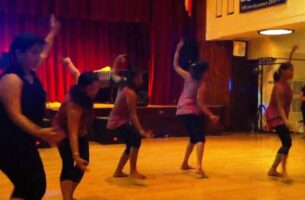
If you have ever searched for a place to learn ballroom dance or simply enjoy a casual evening of waltzing and swinging with other dancers, you have probably come across a local USA Dance chapter. USA Dance is the national governing body for dancesport in the United States, but at the grassroots level it is […]
Read More
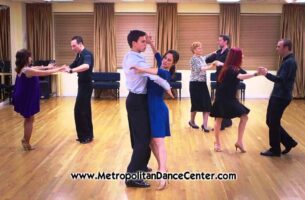
Across the country, ballroom dance centers and studios often anchor their weekend social calendar around a Sunday dance, giving students and community members a relaxed, welcoming place to put their skills to use outside of formal class time. These weekly or monthly Sunday socials have become a cornerstone of many local dance communities, offering something […]
Read More
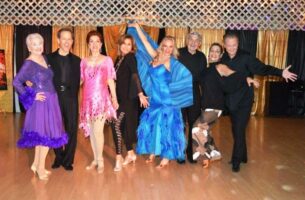
Of all the factors that determine how quickly someone improves at ballroom dancing, consistency matters more than almost anything else. A dedicated weekly dance night, whether it’s a class, a social, or simply practice time with a partner, builds skill, confidence, and enjoyment far more effectively than sporadic, occasional dancing. If you’ve been considering committing […]
Read More

Among the many ways to enjoy ballroom dancing, the monthly social dance holds a special appeal. Held once a month rather than weekly, these gatherings often draw larger crowds, feature a festive atmosphere, and give dancers something special to anticipate on their calendar. What Makes Monthly Dances Special Because they happen less frequently than weekly […]
Read More
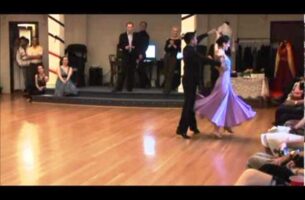
Social ballroom dance nights hold a special place in the dance community. They aren’t classes, and they aren’t competitions — they’re a chance to simply dance, socialize, and enjoy music with fellow enthusiasts in a relaxed, welcoming setting. For many dancers, these evenings are the highlight of their week. What Happens at a Ballroom Dance […]
Read More
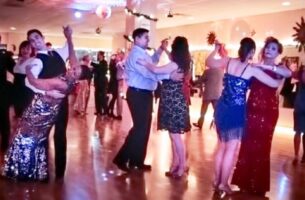
Saturday night has long been the classic night for ballroom dancing. From grand ballrooms of the past to today’s local dance clubs and studios, the Saturday social dance remains a cherished weekend tradition — a chance to dress up a little, dance a lot, and connect with a community that shares your love of movement. […]
Read More
There’s something special about a Friday night ballroom dance. The work week is behind you, the music starts, and for a few hours the dance floor becomes the best possible way to unwind. Weekly social dances like these are a cornerstone of the ballroom community, giving dancers of every level a reliable place to practice, […]
Read More
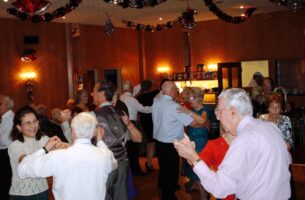
Weekends built around dance often end the same way for many ballroom enthusiasts: a Sunday afternoon social. There’s something fitting about closing out the weekend with a few hours of easy, unhurried dancing before the workweek begins, and Sunday socials have become a fixture in ballroom communities across the country. Why Sunday Afternoons Work So […]
Read More

Long before evening dance clubs and late-night socials became the norm, the tea dance offered a genteel, daytime alternative for people who loved music and movement. This tradition, which pairs an afternoon social dance with light refreshments, has endured for over a century and remains a cherished part of ballroom culture in many communities today. […]
Read More
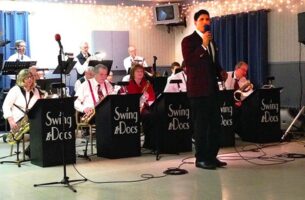
Few dance styles capture pure joy quite like big band swing. Born alongside the jazz orchestras of the 1930s and ’40s, swing dancing remains one of the most beloved social dance styles today, prized for its energetic footwork, playful improvisation, and irresistible connection to some of the most iconic music ever recorded. Whether you’ve heard […]
Read More

Long before dedicated dance studios were common in every town, community halls, churches, and civic organizations were often the heart of local ballroom dancing. That grassroots tradition is still alive today, and community-hosted dances remain some of the warmest, most welcoming social dance events you can find. What Makes Community Dances Different Unlike a studio-run […]
Read More
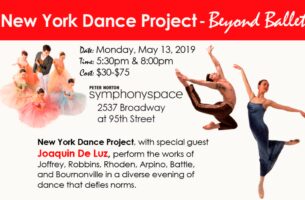
One of the most useful things a ballroom dancer can find isn’t a single great event — it’s a reliable calendar of recurring social dances. Once you know which nights of the month bring out the regular crowd at your favorite venues, building a consistent dance habit becomes much easier. Why Regular Events Matter More […]
Read More

Moving to a new city — or simply wanting to expand your ballroom dancing beyond your usual studio — often raises the same question: where do people actually go to dance socially? Every city has its own dance scene, and while the venues and schedules differ, the ways to find them are largely the same […]
Read More
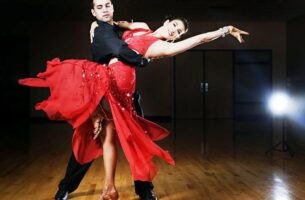
Before a dancer ever learns a single figure, good instructors start with something more fundamental: posture and hold. The way two partners connect — where their hands rest, how their frame is shaped, how their weight is carried — determines whether a dance feels effortless or effortful, and it’s worth understanding even if you’re brand […]
Read More
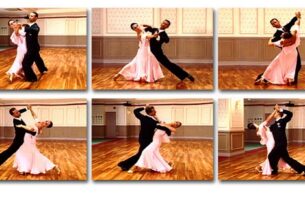
If you’ve ever sat in on a ballroom dance class and heard an instructor call out names like “natural turn,” “underarm turn,” or “promenade,” you know that ballroom dancing comes with its own vocabulary. These named sequences — called figures — are the building blocks of every ballroom style, and understanding the basic categories makes […]
Read More

Every thriving local ballroom dance scene has one thing in common: a handful of dedicated people willing to organize regular social dances. Whether it’s a monthly gathering at a community hall or a themed party at a local venue, hosting a ballroom dance social is a rewarding way to bring a dance community together — […]
Read More

There’s something wonderfully old-fashioned about a dinner dance: a buffet meal, good company, and a night of ballroom dancing all rolled into one evening. It’s a format that’s stayed popular for decades because it combines two things people genuinely enjoy — a nice meal and social dancing — without the pressure of a formal competition […]
Read More

A Military Ball is one of the most formal social occasions many people will ever attend, and for those without a ballroom dance background, the idea of dancing in front of a room full of guests can be more intimidating than the formal dinner itself. The good news is that you don’t need to be […]
Read More

Not every great ballroom dance happens in a studio or ballroom. For generations, dancers have hosted informal social dances in living rooms, community halls, and backyards, bringing friends together for an evening of music and movement. Hosting your own ballroom dance party is a wonderful way to build community, especially if you and your friends […]
Read More

There’s something special about a Sunday afternoon or evening dance. After a busy week, a social ballroom dance offers a relaxed way to unwind, meet new people, and put your dance skills to use in a friendly, low-pressure setting. These recurring Sunday socials have become a beloved tradition in many communities, and they’re one of […]
Read More

One of the first hurdles for anyone starting ballroom dancing is simply making sense of a studio’s class schedule. Between beginner groups, technique classes, practice parties, and private lesson slots, a typical weekly schedule can look overwhelming at first glance. Understanding how studios usually organize their offerings makes it much easier to find the right […]
Read More
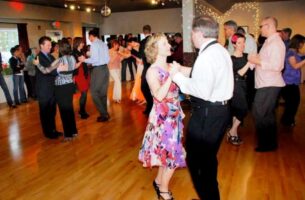
When people picture a ballroom dance event, they usually imagine a hotel ballroom or a dedicated studio, not a roller-skating rink. Yet community rinks, gyms, and multipurpose event spaces have long served as popular venues for social ballroom dances, and there’s good reason for it: they offer large, smooth floors, ample parking, and a casual, […]
Read More

Ballroom dancing is as much a living history as it is a modern hobby, and museums, historical societies, and preserved dance halls play a quiet but important role in keeping that history alive. Attending an event hosted at a music or dance museum offers something a typical studio class doesn’t: a direct connection to the […]
Read More
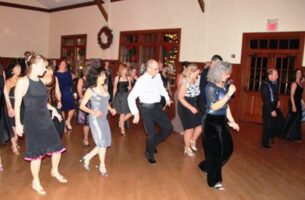
Many ballroom dance communities anchor their social calendar around a recurring monthly dance, often held on a specific weekend like the third Saturday of the month. These regular social dances give dancers of all levels a consistent, low-pressure place to practice what they’ve learned in class, meet fellow dancers, and simply enjoy an evening of […]
Read More
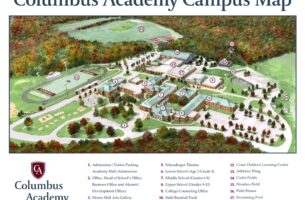
Walking into a ballroom dance studio for the first time can feel like stepping into unfamiliar territory. Every academy has its own layout, teaching style, and community feel, and finding the right one can make the difference between sticking with dance for years or quitting after a few frustrating lessons. Here’s how to evaluate a […]
Read More

Long before nightclubs and late-night socials became the norm, the tea dance was the polite, daytime way to enjoy ballroom dancing. Held in the afternoon with light refreshments served alongside the music, tea dances remain a beloved tradition in many ballroom communities today — and they’re a wonderful entry point for dancers who prefer a […]
Read More