
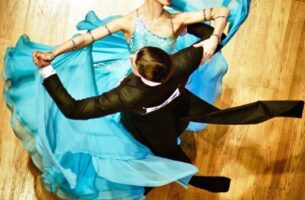
A truly memorable ballroom dance performance is more than a sequence of technically correct steps — it’s a complete artistic experience. Artistic direction is what elevates a routine from a demonstration of skill into a story told through movement, music, and emotion, and it plays a defining role in how audiences and judges experience a […]
Read More
Every unforgettable ballroom performance—whether on a competition floor, a stage, or a televised dance show—starts with a choreographer’s vision. A star choreographer does more than arrange steps; they build a story, evoke emotion, and showcase a dancer’s strengths in ways that elevate an entire routine. Understanding what separates a good choreographer from a truly great […]
Read MoreArtistic Direction of Ballroom Dancing
Ballroom dancing is a beautiful art form that has been around for centuries. It is a form of physical expression that has been used to express emotions, show love, and celebrate life. It is a form of dance that is both structured and improvisational, combining elements of classical ballet and modern dance. It is a highly stylized form of dance that requires skill, technique, and creativity.
The artistic direction of ballroom dancing is an important part of the art form. It is the way that the choreographer or director of the dance creates the movement and the look of the dance. It is the way the dancers are guided to move and how their movements are framed and presented.
The artistic direction of ballroom dancing involves creating the choreography, the music, the costumes, and the set design. The choreography is the arrangement of the steps and the patterns that the dancers will use to move and express themselves. The music is the accompaniment to the choreography, and it is often composed specifically for the dance. The costumes are the outfits the dancers wear, and they are often designed to enhance the look and feel of the dance. The set design is the way the space is arranged to create the atmosphere and the energy of the dance.
The artistic direction of ballroom dancing can be used to create a variety of different types of dances. It can be used to create a romantic waltz, a passionate tango, or a dynamic jive. It can also be used to create a theatrical performance, a formal competition, or a fun-filled social dance.
The artistic direction of ballroom dancing is an important part of the art form, and it requires skill, creativity, and understanding. It is a way for dancers to express themselves and to create a beautiful visual and emotional experience. It is a way for choreographers and directors to bring their vision to life and to create something that is truly unique.