

Technique gets a dancer moving correctly, but emotion is what makes people want to watch. Ballroom dance is often described as a physical conversation, and the most memorable performances are the ones where the dancers seem to genuinely feel the music rather than simply execute steps to it. Learning to convey emotion is a skill […]
Read More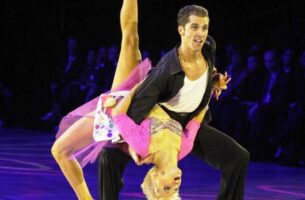
Ballroom dance competitions reward more than just clean technique and precise timing. Judges and audiences alike are drawn to dancers who bring genuine emotion and expression to their performances, transforming a technically correct routine into something memorable and moving. Understanding why expression matters so much can help dancers elevate their own performances, whether on a […]
Read MoreThe Emotional Power of Ballroom Dancing
The power of ballroom dancing lies not only in its physicality, but also in its ability to express emotion. Ballroom dancing is a powerful form of communication that can evoke a range of emotions, from joy to sorrow, from excitement to tranquility. It is a way to convey feelings of love, happiness, and joy, as well as sadness, anger, and frustration.
The physicality of ballroom dancing is a great way to express emotion. The way a dancer moves their body, the way they use their arms and legs to create a story, and the way they use their facial expressions to communicate emotion, all contribute to the emotional power of ballroom dancing.
The music used in ballroom dancing also plays an important role in conveying emotion. Different tempos, rhythms, and melodies can evoke different emotions. A slow, romantic waltz can be used to express love and tenderness, while a lively jive can be used to express joy and excitement.
The costumes and accessories used in ballroom dancing also add to the emotional power of the dance. The colors, fabrics, and styles of clothing can be used to express a range of emotions. A bright, cheerful dress can be used to express joy and happiness, while a dark, somber costume can be used to express sadness and grief.
The emotion in ballroom dancing is not limited to the physicality, music, and costumes. The connection between the partners is also an important factor in conveying emotion. The way the partners interact with each other, the way they look into each others eyes, and the way they move together can all contribute to the emotion of the dance.
Ballroom dancing is a powerful form of communication that can be used to express a range of emotions. Whether it is joy, sorrow, love, or anger, ballroom dancing can be used to convey a range of emotions. The physicality, music, costumes, and connection between the partners all contribute to the emotional power of ballroom dancing.